The Pawn
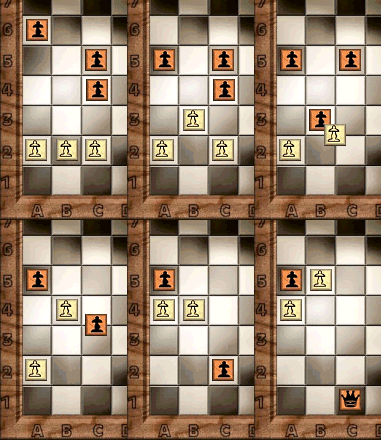 |
Pawns can only move in a forward direction, but move in a variety of ways:
- Pawns can move forward one square, if the square is unoccupied.
- Pawns have the option to move forware two squares on their first move, if both squares are unoccupied.
- Pawns may capture according to the [en passant] rule.
- Pawns capture by displacing the enemy piece diagonally in front of them on either side, but not directly in front of them.
- Pawns promote to a rook, knight, bishop, or queen if they reach the far side of the board.
|
The Rook
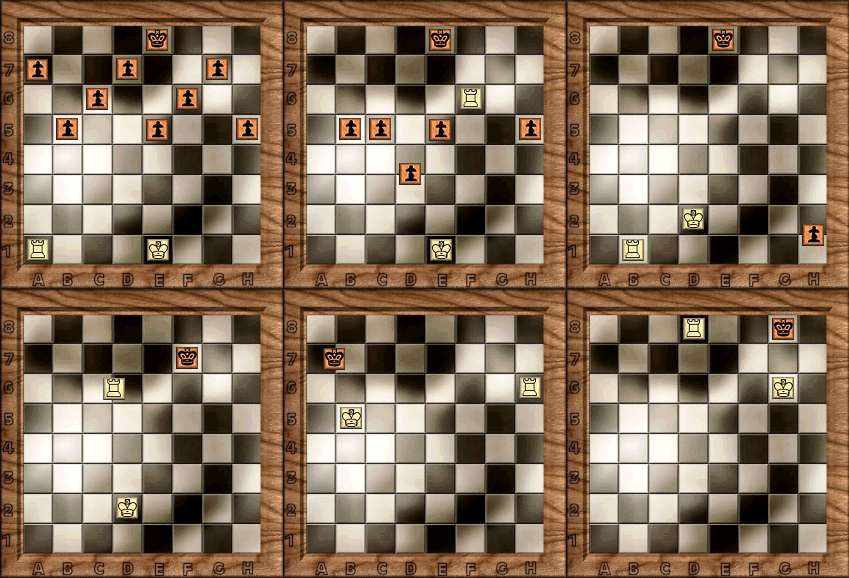 |
Rooks may move forwards, backwards, or to the left or right, and may travel any single direction for as many or few squares as they like until:
- The rook stops at the edge of the board.
- The rook's path is blocked by a friendly piece.
- The rook ends its move by capturing an enemy piece.
Rooks also move according to the [castling] rule.
|
The Knight
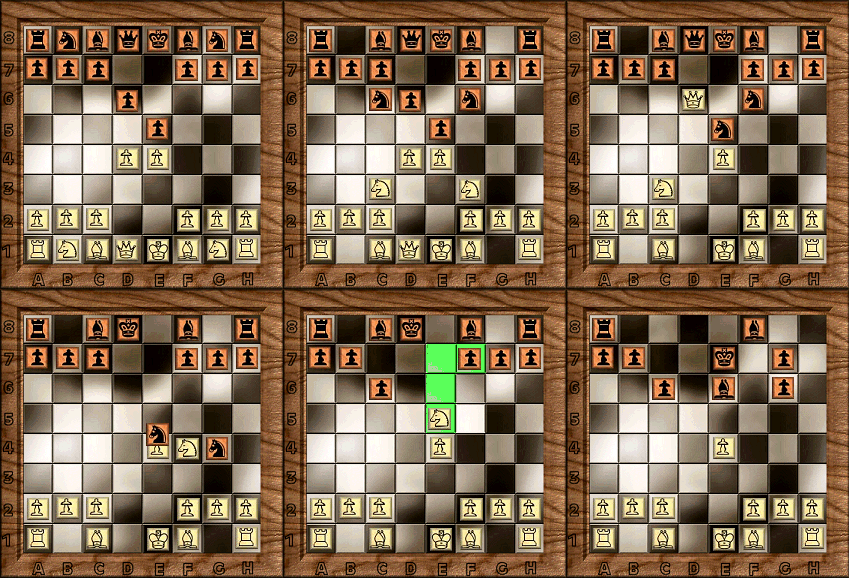 |
The knight moves in an unusual way - it is an "L" shaped move, moving two squares forwards, backwards, to the left or right, and then turning left or right and moving one more square.
The move is also unusually in that the knight actually jumps over all squares between the start and end of the move, not capturing or being stopped by pieces he passes over.
For help visualizing knight move possibilities, go [here]. |
The Bishop
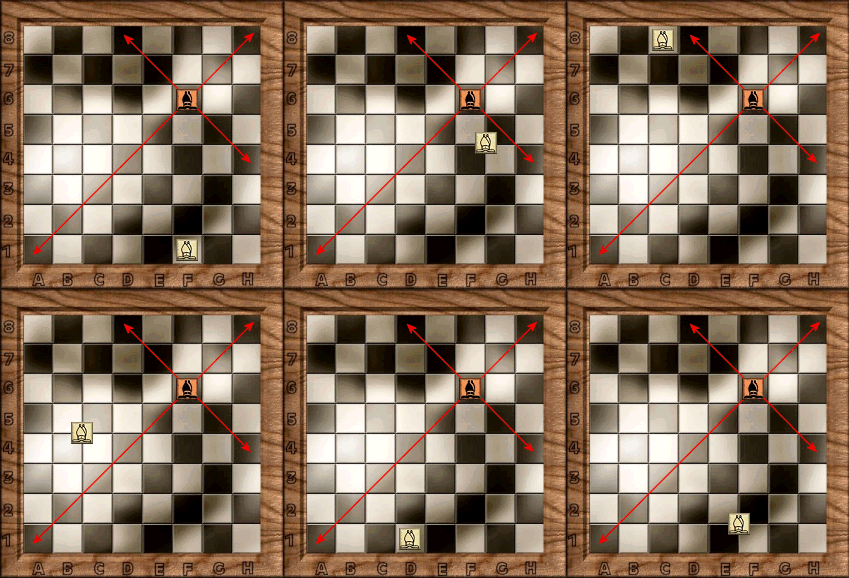 |
Bishops may only move diagonally, and always stay on their starting color. Bishops can move forwards, backwards, or to the left or right, and may travel any single direction for as many or few squares as they like until:
- The bishop stops at the edge of the board.
- The bishop's path is blocked by a friendly piece.
- The bishop ends its move by capturing an enemy piece.
|
The Queen
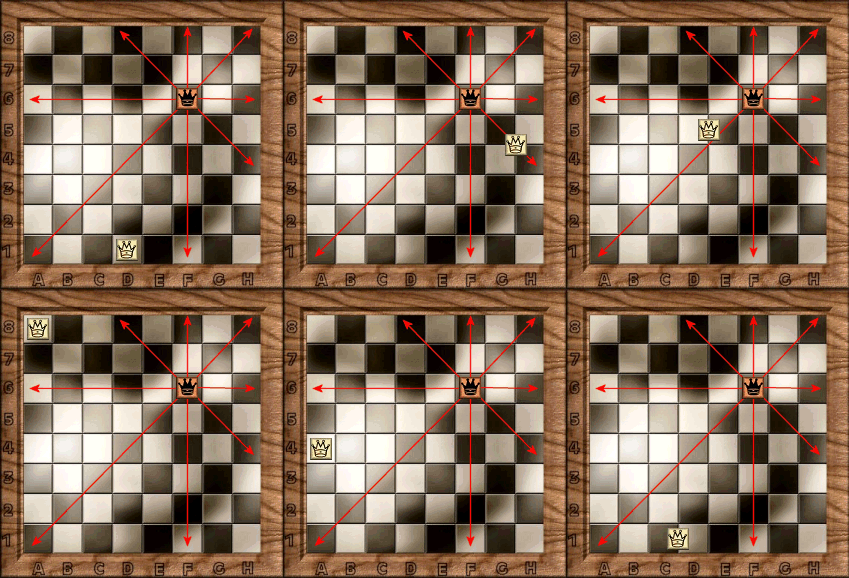 |
The Queen may move as either a Rook or a Bishop, basically moving any direction, and may travel any single direction for as many or few squares as she likes until:
- The queen stops at the edge of the board.
- The queen's path is blocked by a friendly piece.
- The queen ends its move by capturing an enemy piece.
|
The King
 |
King Moves:
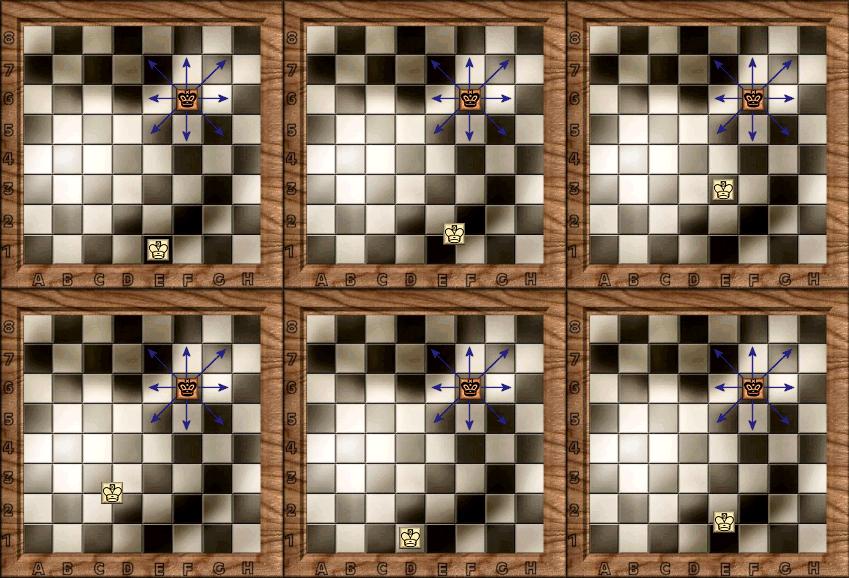
- The king can move one space in any direction.
- The king may not move into, or remain in check.
- The king can also move according to the [castling] rule.
|
|
