The Rules of Chess
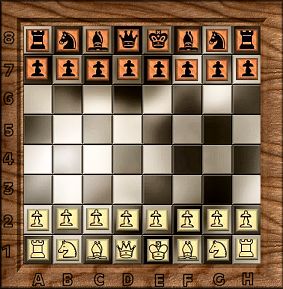
Starting the GameIn chess, players take turns making moves, the ultimate object of which is to arrive at a situation where one player will checkmate the other. The Kings, Queens, Bishops, Knights, Rooks, and Pawns all have their own rules of movement and are able to move and capture in different ways. The game moves through three main phases; the opening, the midgame, and the endgame.
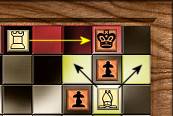
The opening is basically a race to grab up board space, especially in the center of the board, as well as developing pieces and protecting the king. The midgame is the dynamic struggle where players contest for material and positional advantages which will translate into either an early checkmate or a winning endgame, the endgame is the last stage of the game when few pieces are left and checkmates are an everpresent threat. The Object of the GameThe object of the game is to put your opponent's king into checkmate. This means that you have at least one piece which is threatening capture, and that your opponent can do nothing to prevent it. The king is never actually captured, but the fact that the king is checkmated ends the game. Games can also end in [draws], which can occur for various reasons.
Please choose a section to continue:
|

Rules | Openings | Midgame | Endgames
Biographies | Books | Clubhouse | Links
Sponsored by BibleSanity.org